
Teeth Cleaning (Dental Prophylaxis)
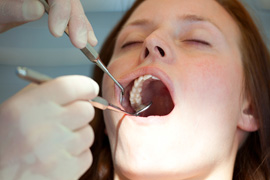
Dental prophylaxis is a teeth cleaning procedure that cleans your teeth and gums thoroughly. It’s one of the most important preventive treatments available, removing the plaque and tartar that lead to gum disease and tooth decay. Our Lane Cove dentists provide professional teeth cleaning for patients across Lane Cove, Lane Cove West, Longueville, Linley Point, Greenwich, Riverview, Artarmon, Crows Nest and Chatswood.
What is Dental Prophylaxis?
Prophylaxis is an effective method that helps to keep your mouth healthy and prevent the progression of gum disease. The following are some of the advantages:
Plaque removal
Tartar (also known as calculus) and plaque accumulation can cause major periodontal issues on both above and below the gum line. Unfortunately, even with a proper oral health routine such as home brushing and flossing, all debris, germs, and deposits in gum pockets can’t be removed. To catch potentially damaging plaque or tartar buildup, a dentist or dental hygienist with experience and specific dental equipment is required before it leads to periodontitis or tooth decay.
A beautiful and healthier-looking smile
Teeth that are stained or yellowed can drastically reduce the attractiveness of a smile. Teeth cleaning is an excellent treatment for removing these stains from the teeth. This is often a foundational step in cosmetic dentistry and a great way to maintain long-term dental care.
Fresher breath
Bad breath (or halitosis) can be a sign of gum disease. Bad breath is caused by a combination of decomposing food particles and bacteria, often below the gum line. Routine plaque, calculus, and bacteria removal procedure at our facility can significantly improve halitosis and infection, ensuring the best results for your dental treatments.
Teeth cleaning (dental prophylaxis) can be performed by our professional dentists in Lane Cove Family Dentist. We recommend that prophylaxis be conducted twice a year as a preventative measure, but every 3-4 months for periodontitis sufferers. Although gum disease cannot be totally cured, our dentists can perform professional dental cleaning to effectively slow its progression.
For teeth cleaning and other dental procedures in Lane Cove, contact us on 02 9418 6102. Need emergency dental services? Contact us now.
Frequently Asked Questions
Why is teeth cleaning important?
Teeth cleaning is important because it helps remove plaque and tartar buildup that regular brushing and flossing might miss. Plaque, if not removed, can harden into tartar, which can lead to gum disease and tooth decay. Professional cleanings also help prevent bad breath, keep your teeth and gums healthy, and allow the dentist to identify any early signs of dental problems, ensuring timely treatment. To find out if you are due for a clean, contact our experienced team on (02) 9418 6102.
Can a dentist clean yellow teeth?
Yes, a dentist can clean yellow teeth. Professional dental cleanings can remove surface stains caused by food, drinks, and tobacco, making your teeth appear whiter and brighter. For deeper stains, dentists offer whitening treatments that can significantly improve the appearance of your smile. Regular cleanings combined with whitening treatments can effectively address the issue of yellow teeth over time.
Can teeth cleaning prevent cavities?
Yes, teeth cleaning can help prevent cavities. Professional cleanings remove plaque and tartar, which are the primary causes of tooth decay. By eliminating these harmful substances, regular cleanings reduce the risk of cavities forming. Additionally, cleanings allow the dentist to spot early signs of decay and provide preventive treatments, further protecting your teeth from cavities.
How often should I have my teeth professionally cleaned?
For most patients, a professional clean every six months is recommended as a preventative measure. However, for patients with periodontitis or a history of gum disease, more frequent visits every three to four months may be advised to slow the progression of the condition and maintain the best possible oral health outcomes. Your dentist will recommend the most appropriate schedule based on your individual needs.
Does teeth cleaning hurt?
For most patients, a professional clean is comfortable and straightforward. You may experience some mild sensitivity, particularly if it has been a while since your last clean or if your gums are inflamed. If you have sensitive teeth or gum tenderness, let our team know before your appointment so we can take extra care to ensure you are as comfortable as possible throughout the procedure.
How long does a teeth cleaning appointment take?
A standard professional clean typically takes between 30 and 60 minutes, depending on the amount of buildup present and the overall condition of your teeth and gums. Patients with more significant tartar accumulation or early signs of gum disease may require a longer or more detailed cleaning session. Your dentist will advise you on what to expect before the appointment begins.
What is the difference between a regular clean and a deep clean?
A regular professional clean, or prophylaxis, is a preventive procedure that removes plaque, tartar, and surface stains from above and just below the gum line. A deep clean, also known as scaling and root planing, is a more involved treatment recommended for patients with gum disease. It removes tartar and bacteria from deeper within the gum pockets and smooths the root surfaces to help the gums reattach to the teeth. Your dentist will assess which type of cleaning is most appropriate for your situation.
Will my teeth feel sensitive after a professional clean?
Some mild sensitivity following a professional clean is normal, particularly to temperature or sweet foods, and usually settles within a day or two. This is more common in patients who have not had a clean for some time or who have some degree of gum recession. Using a toothpaste formulated for sensitive teeth in the days following your appointment can help manage any discomfort. If sensitivity is severe or persists for more than a few days, contact our Lane Cove practice for advice.